The ethics behind recordings
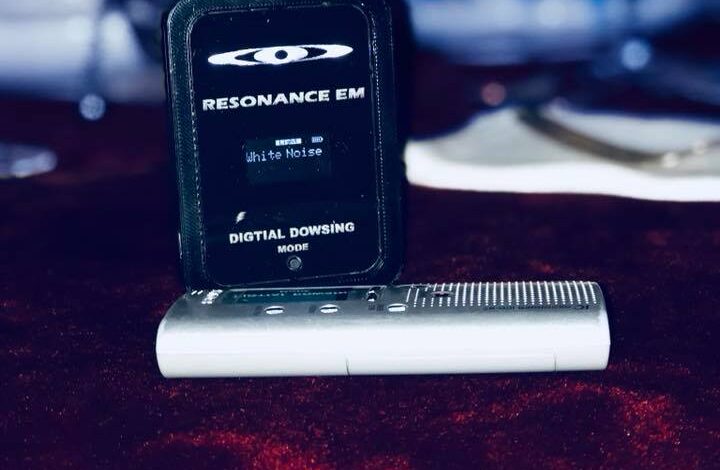
On a paranormal investigation, people generally have a video camera and often a digital recorder that they use to record the night and maybe, hopefully pick up something to add to their evidence collection. While investigators often play back recordings hoping to hear spirit voices, sometimes they pick up things they are not supposed to hear ….. the private conversations of people unaware their conversation is being recorded. People obviously give their consent to being filmed and are aware that people are taking recordings with a digital recorder, but it is easy to forget that every word you are saying is being recorded. I don’t know how many times I have set down a recorder and then forgotten it was there. What about the times a person leaves a recorder in a room for a night and walks away while it is running for hours?
On a side note, a few months ago, I helped with some filming of a project for university students, and I was mic’d up the whole time. So many time I would whisper to my brother and the sound guy would have to come up and ‘remind us’ that he could hear everything we were saying. (Thank god I didn’t go to the bathroom). The point is, we can easily let our guard down.
What happens when you capture something on your recording that you shouldn’t have?
I have literally seen friendships end over this sort of thing, with some even threatening legal action. It is a pretty easy thing that can happen. Someone sets down a recorder in a room and a new group enters. They are either unaware they are being recorded or have simply forgotten the recorder is there and start talking about one of the other people. Sometimes things are said that frankly shouldn’t be. Upon review, the person who left the recorder running was hoping to pick up something paranormal. Instead, they got to listen in on a conversation not meant for them. In some cases, it can actually be about them. In the case I am referring to, all members had fully given consent to recorders being used and one of them had even set the recorder down themselves. In the candidness of the moment, as so happens frequently, they have forgotten it was recording and let their guard down. They started divulging personal information and making derogatory comments about another team member, thinking the conversation was private. It didn’t end up being private as the person they were talking about happened to be the person who ended up listening to the recording when reviewing the evidence. You can probably imagine the fallout.
While not acted on, in the heat and anger of feeling betrayed, the person on the receiving end was considering legal action. Would they have a case? What does all this mean on an ethical level? A person has of course given consent to be recorded; but they obviously did not want that particular conversation recorded. Does this mean it is not quite informed consent? You would hope people would simply just delete something they know they were not supposed to hear, but there are others who could use that as evidence of a different kind of nature. People could be blackmailed, manipulated, threatened or some could even release it publicly, causing humiliation and all sorts of pain. This is one very specific example, but I am sure you can imagine all the ways a simple recording can cause chaos.
What do we do as a paranormal community about ethical recording?
I obviously don’t have a black and white answer here because we are in an unregulated field. Some may say that as a person has agreed and consented to recording that it is on them if they have forgotten. Others may say that the files should just be deleted and that is the end of it. While the majority of people have good intentions, we know there is a section of people who don’t. How do we protect ourselves (besides being super careful of the things said)?
How often have you forgotten that you are being recorded? Have you said something you wouldn’t have said if you had been aware you were being recorded? What would you do if you listened back and heard a group of people unaware they were being recorded talking about you or someone else? Maybe it is not even about another person but sharing deeply personal information about themselves that is only intended for the person in the room to hear?
Ethics is a big thing in the paranormal field, and a lot of the discussion often centres around the way that investigators carry themselves while also protecting clients they may be working with to ensure the vulnerable are not being exploited. What if in some of these cases the vulnerable are the investigator themselves?
The law in NSW Australia states:
Recording Someone Without Their Consent Is an Offence
In New South Wales, it is an offence to knowingly install, use or cause or to maintain a listening device to overhear, record, monitor or listen to a private conversation to which the person is not a party or to record a private conversation to which the person is a party. There are penalties for this offence including fines and up to 5 years imprisonment.Therefore a person who is a party to a private conversation may make a record of that conversation only if:
all of the principal parties to the conversation consent, expressly or impliedly, to the listening device being so used; or
a principal party to the conversation consents to the listening device being so used and the recording of the conversation is either:
(i) reasonably necessary for the protection of the lawful interests of that principal party; or
(ii) not made for the purpose of communicating or publishing the conversation, or a report of the conversation, to persons who are not parties to the conversation.
Recording a Conversation as Evidence Without Committing an Offence
If a person intends to record a conversation, in order to do so without committing an offence they must obtain the express or implied consent of all principal parties; or believe that it is reasonably necessary for the protection of their own lawful interests to make the recording without the consent of the other party.https://www.wattsmccray.com.au/truth-behind-recording-conversations-as-evidence-for-your-family-law-case/
Consent is obviously the big one here. On any investigation, make sure every single person agrees and is aware they are being recorded. Put a light or even a glow stick next to a recorder so it is a visual reminder to the people there is a recording device operating in their vicinity. It is one thing to be recording during an active investigation and people are aware. It is another when it is just left running. It is so easy to forget when you are in the moment.
Anyone present at a paranormal investigation needs to be protected, whether they are the guide, a guest, or a person that lives there. No one should be recorded without their consent and even then, it needs to be informed consent. It is one thing to say we are running a digital recorder, but in most cases, people are unaware that their full conversations are being recorded. What should we as investigators be doing in this situation?
If you enjoy LLIFS, consider buying me a book (otherwise known as buy me a coffee but I don’t drink coffee and I LOVE books). Your donation helps to fund the LLIFS website so everyone can continue to access great paranormal content and resources for FREE!