
Paranormal
May 21, 2024
The Role Of Vigils In Ghost Hunting
Paranormal
September 10, 2023

A paranormal hangover is the feeling of being drained or tired in the days following a paranormal investigation. Many paranormal investigators say that they feel extremely drained, fatigued and irritable after an investigation. This can sometimes last for just a few hours, but sometimes can affect you for a whole day or more. Those who suffer from paranormal hangovers attribute it to the spirits at the ghost hunt using the investigators energy to fuel their…
Hospitals are at once places of hope and places of despair. Here people go looking for the cures to their ills, but conversely often meet their ends, the medical system unable to help them. They are both a savior and a doom, depending on the person, and considering their spooky halls and generally unsettling ambiance it is perhaps no doubt that there have been plenty of tales of ghostly occurences going on at hospitals. Here…
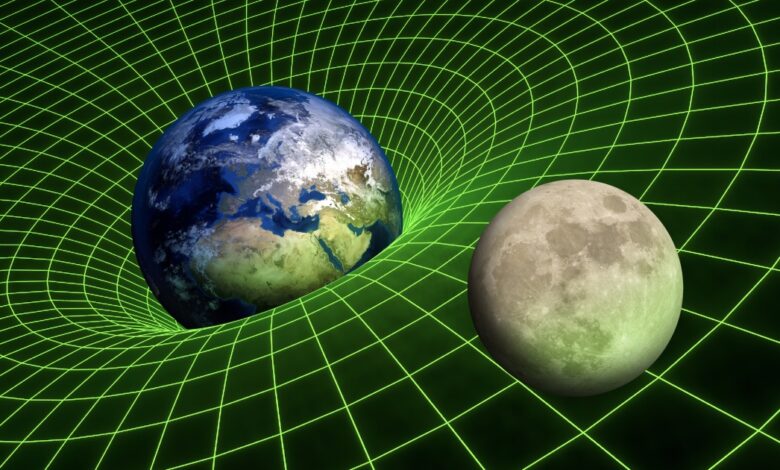
Researchers used a satellite orbiting the Earth to carry out an ultra-precise test of a core premise of Einstein’s theory of general relativity, which is the modern theory of gravity. The question is whether two different kinds of mass — gravitational and inertial — are identical. The scientists found that two objects aboard the satellite fell toward Earth at the same rate, with an accuracy of one part in a quadrillion. This successful test of…

A video that has gone viral on social media shows a mysterious phenomenon that some people believe is evidence of UFO activity. The video, recorded in Miami, Florida, shows a bright beam of light moving erratically above the clouds, as if controlled by an intelligent force. Some UFO enthusiasts claim that the light is a sign of an alien spacecraft hovering over the city, using a cloaking device to blend in with the clouds. They…
Many paranormal investigators believe that ghosts and the electromagnetic spectrum are intrinsically linked, and since laser light is part of the EM spectrum, they make for an interesting area of research. It’s not uncommon to see investigators using a device called an EM pump during a vigil. The idea behind these gadgets are literally to pump energy out into the environment around it in the hopes that spirits can draw on that energy and use…

