Ancient Astronaut Evidence: Flying Gods Across Cultures
[Updated on: August 26, 2025]
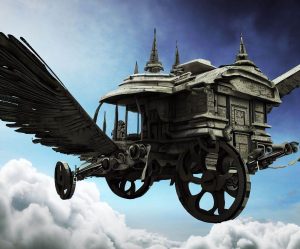
 Ancient astronaut evidence is often linked to images of “flying gods” carved across the ancient world. Different cultures—from Mesoamerica to Egypt to the Pacific—show deities seated, framed by serpents or birds, or descending from the sky. Do these scenes hint at craft and cockpits, or are we projecting modern tech onto sacred art?
Stay Informed on the Unexplained
Every Friday we send out the top 5 most intriguing UFO & paranormal stories—direct to your inbox.
Subscribe to the Newsletter
Shared Motifs, Distant Worlds
Ancient myths repeatedly describe sky-beings who arrive with knowledge. Serpents with feathers, world trees, and divine messengers appear in many traditions. These overlaps fuel the idea that cultures far apart recorded the same visitors. However, new summaries by archaeologists and indigenous scholars stress that similar symbols can arise independently to express power, fertility, sky, or cosmos.
Olmec: La Venta’s Monument 19 and the Feathered Serpent
At La Venta (Tabasco, Mexico), Monument 19 shows a seated figure interacting with a great feathered serpent—one of the earliest known depictions of this being in Mesoamerica. Later cultures would call the deity Quetzalcoatl or Kukulkan. Some see a “low-ceiling cockpit.” Most scholars read it as a ruler or shaman engaged with a sky-serpent symbol of authority and the heavens, not a machine.

Maya: Pakal’s Sarcophagus Lid at Palenque
The famous lid in Palenque shows King Pakal in an intricate cosmic scene. Ancient-astronaut books popularized the “rocket” interpretation. Current Maya art history explains the carving as Pakal positioned at the cosmic world tree, framed by a funerary serpent and celestial symbols—an image of death, rebirth and rulership, not a spacecraft.

Māori: Purangahua and “Hawaiki”
New Zealand traditions tell of Purangahua, who journeys for prized kūmara (sweet potato). Retellings online sometimes say he “rode a silver craft.” In Māori sources, Hawaiki is the homeland of origin and afterlife—not a vehicle—and Purangahua travels with the aid of birds or divine messengers, consistent with Polynesian voyaging symbolism.

Egypt: Hapi and the “Serpent Seat” Motif
Egyptian art also shows deities seated within serpentine frames. The Nile god Hapi is typically androgynous, blue or green, and associated with lotus and papyrus, symbolically binding Upper and Lower Egypt. What look like “levers” in some reliefs are usually flora or ritual emblems tied to flood, fertility, and political unity—again, religious iconography rather than controls.

So…Ancient Flying Vehicles—or Powerful Symbols?
Fans of paleocontact point to crouched figures, helmet-like headgear and “panels” under the hands. They argue these are pilots in tight cabins. Updated museum guides and peer-reviewed work, however, explain these scenes as cosmic narratives: rulers communing with serpent deities, kings reborn on the world tree, voyagers aided by birds, and river gods securing abundance. The similarities across cultures likely reflect universal themes—sky, underworld, life, death, rebirth—expressed with animals, trees and serpents, rather than shared technology.
What Keeps the Mystery Alive
- Ambiguous poses: Crouched, profile figures can look “mechanical” to modern eyes.
- Tech-shaped expectations: We notice “helmets” and “dials” because we live with helmets and dials.
- Cross-cultural echoes: Serpents, birds and world trees are global symbols tied to the sky and the soul.
Bottom Line
These carvings remain stunning and mysterious. They speak to ancient people looking upward for meaning, power and origin. Whether you see craft or cosmos, the best step forward is to compare the art closely, read indigenous accounts, and weigh both the adventurous and the scholarly readings.